Campus Life: A Student's Reality
Introduction: Beyond the Brochure
When prospective students tour college campuses, they see pristine dorm rooms and carefully staged dining halls. But what's it really like to live, eat, and study in these spaces day after day? This project investigates two central questions about campus life primary asking the questions: How does living in dorms affect your schoolwork, and how do dining halls impact your academic performance?
Through conversations with five students at different stages of their college careers, patterns emerge that reveal the complex relationship between residential life and academic success. These aren't the stories you'll find in admissions materials. They're the lived experiences of students navigating the reality of campus life.
A video of my dorm (not created by me)
The promise of on-campus housing is clear: live close to your classes, build community, have easy access to resources. But the reality is more complicated. Students describe a constant negotiation between the social energy of dorm life and the focus required for academic work.
Food is rarely the focus of conversations about academic success, but every student interviewed immediately understood this question. The dining hall isn't just where you eat. It's where you socialize, decompress, accidentally study, and make daily decisions about time management and self care.
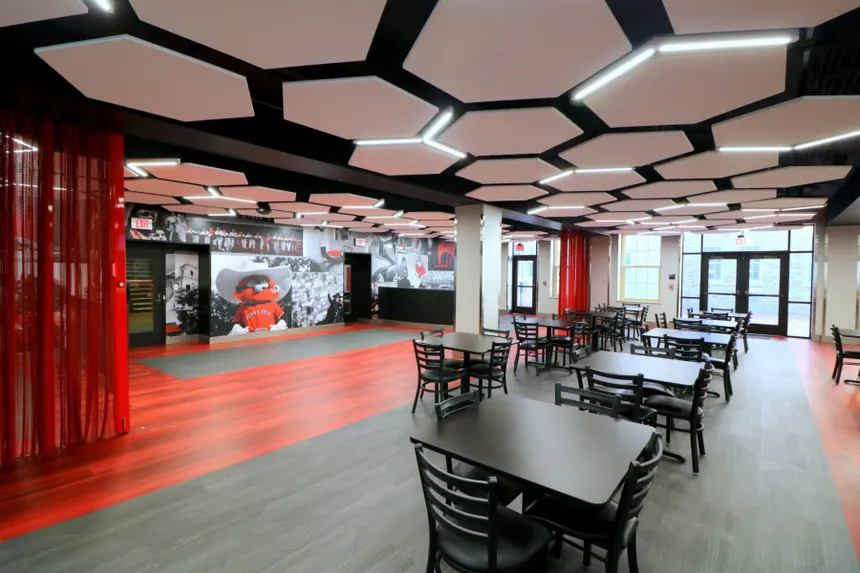
The dining hall is a cafeteria, study hall, and social center
Emerging Themes: What Campus Life Really Means
The Paradox of Proximity
A striking theme across interviews is what I'm calling the "paradox of proximity." Being physically close to academic resources and peer support doesn't automatically translate to better academic outcomes. Instead, students describe constantly managing the tension between accessibility and distraction, between community and chaos. Living on campus puts you near the library, near classmates, near tutoring centers, but it also puts you near noise, social drama, and constant interruptions. Success seems to depend not on the proximity itself, but on learning to navigate it.
Time as the Hidden Curriculum
Multiple students pointed to how campus living creates invisible time constraints that shape academic life. Dining hall hours, quiet hours, lounge availability, laundry room rushes. These institutional rhythms force students to structure their study time around logistical concerns rather than their own cognitive patterns. Sebastian and Micah both described feeling like they were constantly "fitting in" schoolwork around campus life's requirements rather than designing campus life around academic needs.
Adaptation as Academic Skill
Jaden's observation about learning to set boundaries and protect study time points to an unexpected outcome of dorm life as it forces the development of adaptability and self advocacy. Rather than controlling their environment, students must learn to work within constraints. Such as noise, interruptions, limited space, and shared resources. This adaptation might explain research suggesting that first year students who live on campus often perform better academically. It's not the dorm itself, but the skills developed from living in the dorm, that matter.
Food as Academic Infrastructure
The dining hall conversations revealed something rarely discussed, that being nutrition and meal timing, due to that being fundamental to have cognitive work. Students aren't just making food choices. They're making academic choices with their meals. Micah's realization about sustained energy from home cooked meals, Sebastian's scheduling around meal times, and Alexandria's spontaneous study groups all point to dining halls as underrecognized academic spaces. The question isn't whether dining halls affect schoolwork, but rather how campus food systems could be redesigned with academic performance in mind.
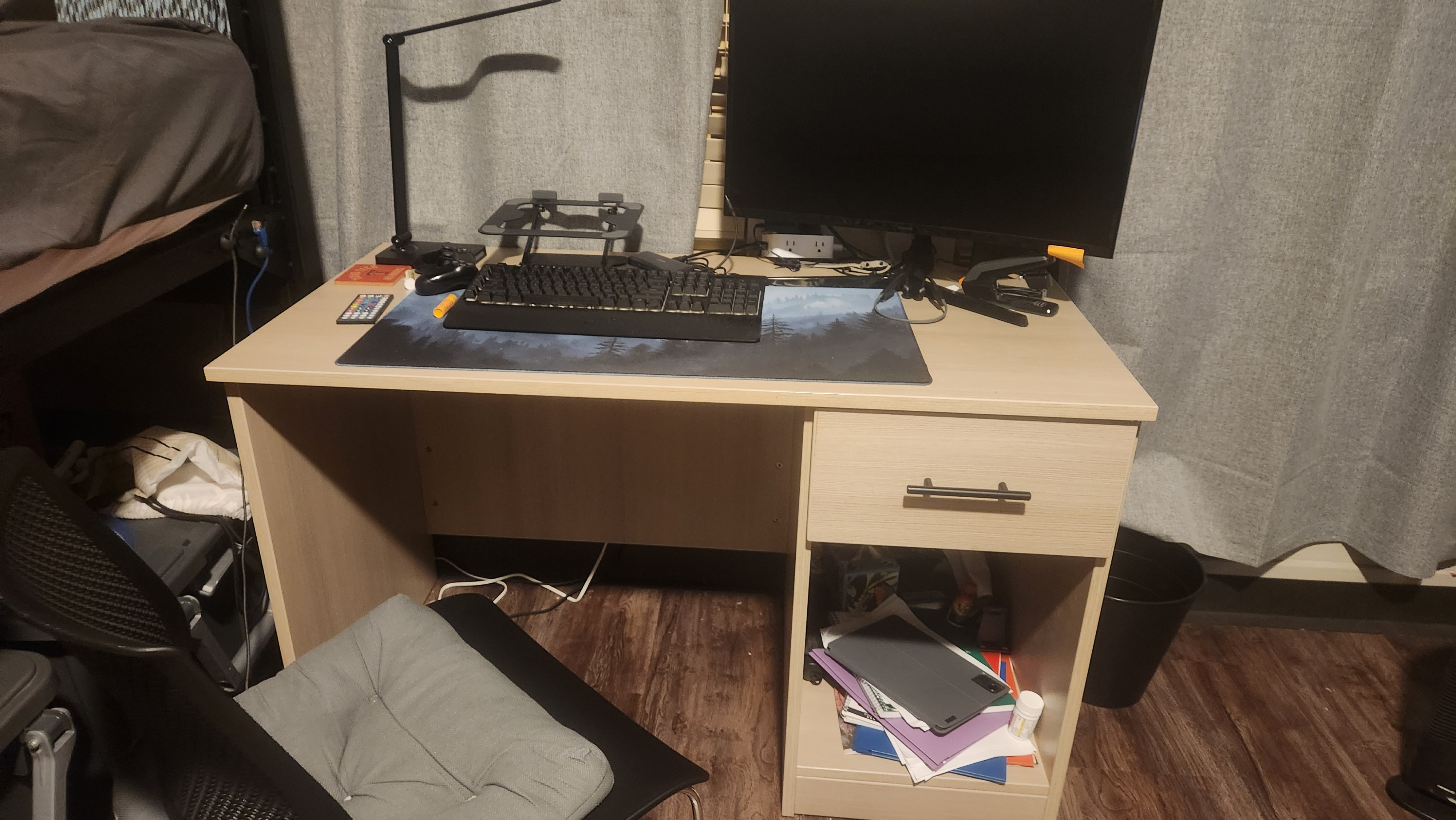
The material reality of negotiating academic life in campus housing
Conclusion: Rethinking "Campus Life"
These conversations suggest that "campus life" isn't a backdrop to academic work. It's interwoven with it in ways that university marketing materials rarely acknowledge. The dorm isn't just housing; it's a 24/7 learning environment where social skills, time management, self advocacy, and adaptation are developed alongside chemistry formulas and literary analysis.
Similarly, dining halls aren't just meal distribution points; they're spaces where students negotiate autonomy, community building, self care, and time management. The students who thrive aren't necessarily those with the newest dorms or best meal plans, but those who learn to work with and sometimes against the structures of campus life.
What does this mean for incoming students? Perhaps it means approaching dorm life not as something that happens to you, but as something you actively navigate. It means recognizing that learning to live on campus is itself a form of education, one that might be as valuable as the courses on your transcript. And it means understanding that there's no perfect setup, just trade offs that different students will negotiate differently depending on their needs, personalities, and academic goals.